Transforming raw land into a construction-ready site represents one of the most critical phases in any building project across Virginia. Whether you’re planning a residential development in Gloucester, a commercial complex in Richmond, or infrastructure project throughout the Commonwealth, proper site preparation lays the foundation for everything that follows. However, many Virginia property owners underestimate the complexity involved in preparing land for construction. From environmental assessments to grading specifications, each step requires specialized knowledge, equipment, and experience. Virginia’s diverse terrain, from coastal plains to piedmont regions, presents unique challenges that demand professional expertise.
This comprehensive guide walks you through every aspect of professional land clearing and preparation services in Virginia, helping you understand what’s involved, why it matters, and how to approach your project with confidence.
Key Takeaways
- Professional site preparation involves multiple phases including surveying, clearing, grading, and soil stabilization
- Land clearing and preparation services require specialized equipment and expertise that DIY approaches cannot match
- Proper drainage planning prevents costly water damage and structural issues down the line
- Environmental compliance and permit acquisition are non-negotiable steps in the preparation process
- Soil testing and compaction determine the long-term stability of any structure built on the site
- Timeline and budget accuracy depend heavily on thorough initial assessments by experienced professionals
Overview
Site preparation encompasses all activities needed to transform undeveloped or previously developed land into a stable, level, and accessible construction site. This process begins with comprehensive site evaluation and continues through vegetation removal, earth moving, grading, and final compaction. Quality land clearing and preparation services address both visible surface conditions and subsurface factors that affect construction feasibility. The process typically involves coordination between surveyors, environmental specialists, heavy equipment operators, and civil engineers. Understanding each phase helps property owners make informed decisions and avoid common pitfalls that lead to project delays and cost overruns.
Understanding the Site Assessment Phase
Initial Survey and Property Analysis
Before any physical work begins, professional land clearing and preparation services start with detailed site surveying. Licensed surveyors establish exact property boundaries, identify easements, and locate existing utilities. This step prevents boundary disputes and accidental damage to underground infrastructure. Topographical surveys reveal elevation changes, drainage patterns, and potential problem areas. Additionally, surveyors mark trees, rock formations, and other features that may impact clearing strategies. This data becomes the blueprint for all subsequent planning decisions.
Soil Testing and Environmental Assessment
Soil composition directly affects construction methods and foundation design. Virginia’s varied soil types: from clay-heavy piedmont soils to sandy coastal soils, require different preparation approaches. Professional services include comprehensive soil testing that measures bearing capacity, permeability, and composition. Geotechnical engineers collect samples at various depths to identify unstable layers, expansive soils, or contaminated areas. Environmental assessments identify protected species, wetlands, and sensitive ecosystems requiring special handling. Virginia’s environmental regulations, particularly around the Chesapeake Bay watershed, require careful compliance. Many jurisdictions require erosion control plans, stormwater management designs, and tree removal permits before work can begin. Professional land clearing and preparation services navigate these requirements efficiently, obtaining necessary approvals and implementing required protective measures.
The Land Clearing Process
Vegetation Removal and Debris Management
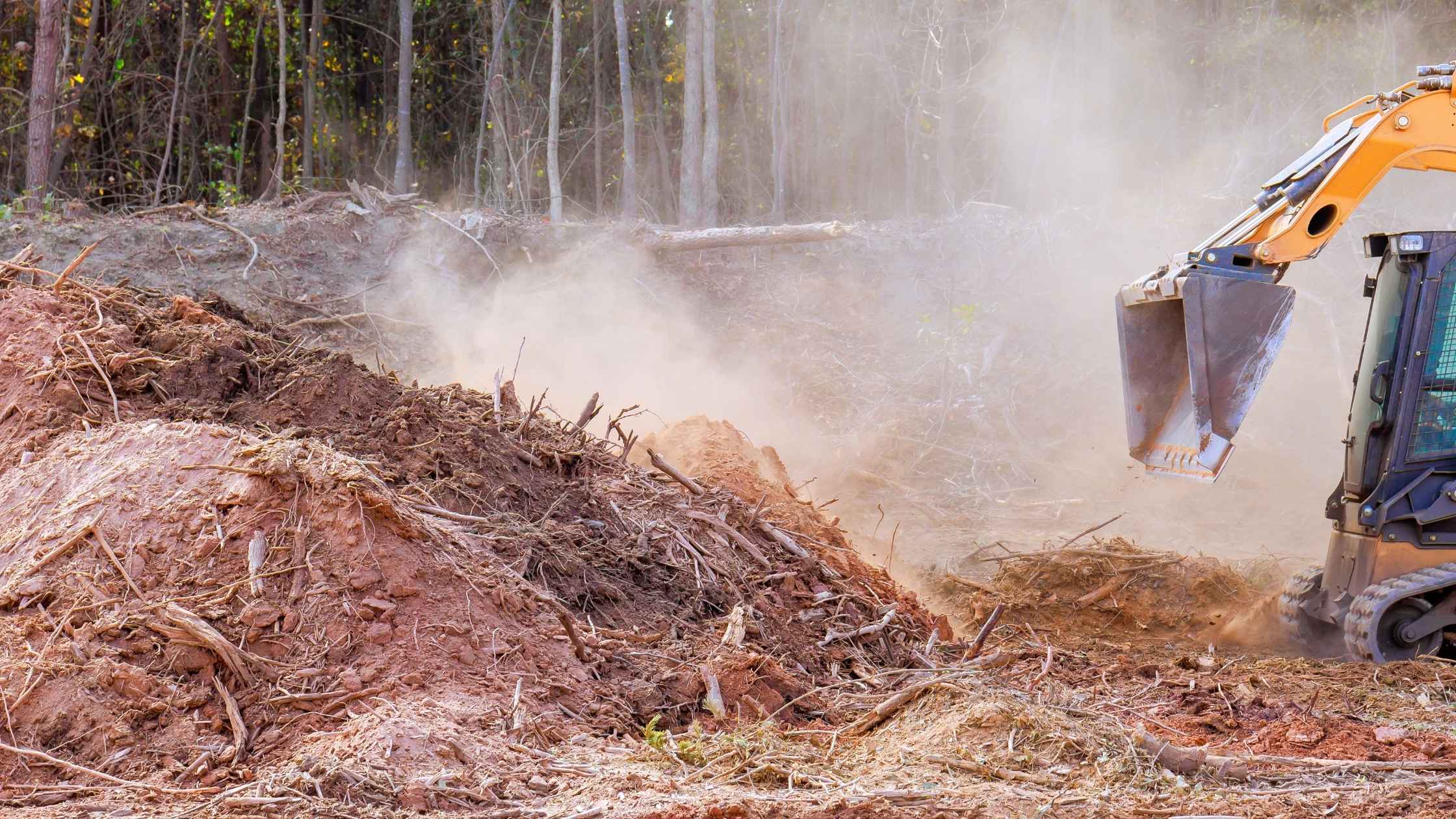
Systematic vegetation removal clears the site while minimizing environmental impact. Professional teams assess which trees and plants must be removed versus which can be preserved for aesthetic or ecological value. Large trees require specialized equipment and techniques to prevent property damage during felling. Stump removal follows, either through grinding or complete extraction, depending on future land use. Clearing generates substantial debris that requires proper handling. Many services chip wood materials for mulch or biomass fuel, reducing environmental impact. Rock and boulder removal often requires heavy machinery and strategic planning. Professional land clearing and preparation services complete this work safely and efficiently, something DIY efforts rarely achieve.
Earthwork and Grading Operations
Cut and Fill Strategies
Grading transforms uneven terrain into building-ready surfaces. Cut and fill operations move soil from high areas to fill low spots, minimizing the need to import or export material. Professional land clearing and preparation services calculate volumes precisely, balancing cut and fill to control costs. Heavy equipment operators follow engineered grading plans that specify exact elevations and slopes. This precision work creates proper drainage patterns while achieving the desired final grade. Inexperienced operators often create drainage problems or waste expensive topsoil.
Slope Stabilization and Erosion Control
Disturbed soil becomes highly vulnerable to erosion, especially during rainstorms. Professional services implement erosion control measures throughout the grading process. Techniques include silt fencing, retention basins, and temporary vegetation or mulch cover. Slopes exceeding certain angles require stabilization through terracing, retaining structures, or specialized erosion control products. Moreover, professionals schedule work to minimize exposure periods when soil lacks protective cover. These measures prevent sediment from washing into waterways and neighboring properties.
Drainage and Water Management
Surface and Subsurface Drainage Systems
Proper water management prevents foundation damage, flooding, and soil erosion. Land clearing and preparation services include designing surface drainage systems that direct water away from structures and critical areas. Grading creates positive drainage with slopes that carry water toward collection points or natural drainage paths. Swales, berms, and channels guide water flow without causing erosion or ponding. Some sites require subsurface drainage systems to manage groundwater or prevent saturation. French drains, perforated pipes, and drainage blankets remove excess water from building areas. These systems prove especially important on sites with high water tables or poorly draining soils. Poor drainage design creates problems that plague properties for decades.
Soil Compaction and Stabilization
Compaction Standards and Soil Improvement
Building codes specify minimum compaction levels for different areas of construction sites. Professional land clearing and preparation services use calibrated equipment to achieve required density levels. Nuclear density gauges or other testing methods verify that soil meets specifications before construction proceeds. Proper compaction prevents settling that causes foundation cracks, pavement failures, and structural damage. Problematic soils often require amendment to become suitable for construction. Expansive clays may need lime treatment to reduce swell potential. Sandy soils might require cement or chemical stabilization to increase bearing capacity. Professional services test amended soils to verify improvement before construction begins.
Utility Coordination and Access Development
Underground Utility Protection and New Infrastructure
Existing utilities present significant hazards during site preparation. Professional services coordinate with utility companies to locate and mark all underground lines before excavation begins. Water, gas, electric, telecommunications, and sewer lines require careful exposure and protection during earthwork. Site preparation often includes trenching and rough grading for new utility installations. Land clearing and preparation services coordinate with utility contractors to create proper elevations and access points. Construction sites also need stable access roads for equipment and material deliveries. Professional services build temporary roads using appropriate base materials and compaction. These roads must support heavy truck traffic while minimizing environmental impact and neighbor disturbance.
Timeline and Cost Considerations
Project Sequencing and Weather Factors
Professional site preparation follows a logical sequence that maximizes efficiency. Initial phases include surveying, clearing, and rough grading. Middle phases involve utility installation and detailed grading work. Final phases include compaction verification, erosion control implementation, and final touch-ups. Weather conditions, permit requirements, and coordination with other contractors influence the timeline. Virginia’s climate presents seasonal challenges, humid summers, occasional winter freezes, and spring rainfall can significantly impact earthwork operations. Soil conditions vary dramatically with weather and seasons. Frozen ground, excessive moisture, and extreme heat all affect earthwork operations. Professional land clearing and preparation services plan projects around weather patterns when possible, avoiding problem periods.
Budget Planning and Hidden Costs
Site preparation costs reflect the specialized equipment and skilled labor required. Bulldozers, excavators, graders, compactors, and support equipment represent a significant investment. Subsurface surprises frequently impact budgets. Unexpected rock, contaminated soil, or unsuitable material requires additional work and expense. Wet weather delays extend project duration and associated costs. Professional services build contingencies into estimates to account for these possibilities. Property owners who shop based solely on the lowest price often face change orders that exceed higher initial estimates from experienced contractors.
Quality Control and Safety
Testing, Inspections, and Site Safety
Professional land clearing and preparation services implement quality control at every stage. Elevation checks verify grading accuracy throughout the process. Compaction testing confirms soil density meets specifications before construction proceeds. Virginia jurisdictions require inspections at various preparation stages before construction permits are issued. Local building departments across the Commonwealth enforce specific standards that professionals understand thoroughly. Professional services coordinate inspector visits and address any noted deficiencies promptly. Land clearing and preparation involve inherent hazards from heavy equipment, falling trees, and unstable soil conditions. Professional services implement comprehensive safety programs that protect workers and neighbors. Equipment operators maintain certifications and follow industry best practices. Additionally, professionals carry appropriate insurance coverage protecting property owners from liability.
Professional Equipment and Technology
Modern Tools and Specialized Advantages
Today’s land clearing and preparation services utilize advanced technology for superior results. GPS-guided grading systems achieve precise elevations with minimal staking. Laser-guided equipment maintains exact slopes for drainage and roadwork. Drones provide aerial photography, tracking project progress, and identifying problem areas. Professional contractors maintain fleets of specialized equipment suited for different tasks. Forestry mulchers clear vegetation while leaving beneficial mulch cover. Rock saws and breakers handle difficult rock excavation efficiently. This equipment represents substantial investment that only high-volume professionals can justify. Rental equipment available to DIY operators lacks the same capability and efficiency.
ML Blake Earthworks: Your Virginia Site Preparation Partner
When your Virginia project demands professional land clearing and preparation services, ML Blake Earthworks delivers the expertise and equipment necessary for success. Located in Gloucester, VA, our experienced team serves property owners throughout the Commonwealth with comprehensive site preparation solutions. We understand Virginia’s soil conditions, climate challenges, and local regulations, knowledge that makes the difference between smooth project completion and costly delays. Our services include complete site evaluation, clearing, grading, drainage installation, and compaction verification, everything needed to create construction-ready land that meets your specifications and Virginia building codes.
Call us at 804-854-2176 to discuss your site preparation needs and receive a detailed project assessment tailored to your Virginia property.
Conclusion
Professional site preparation represents far more than simple dirt moving. It requires comprehensive planning, specialized equipment, technical expertise, and systematic execution. From initial surveying through final compaction, each step builds upon the previous work to create stable, well-drained, construction-ready land. While DIY approaches might seem economical initially, the risks of improper preparation include failed inspections, construction delays, foundation problems, and expensive corrections. Property owners who invest in quality land clearing and preparation services protect their larger construction investment while avoiding costly mistakes.
As you plan your development project, consider this: What hidden site conditions might affect your construction timeline and budget if not properly addressed during professional site preparation?
FAQs
Q: How long does professional site preparation typically take?
A: Timeline varies considerably based on site size, complexity, and conditions. Small residential lots might require one to two weeks for complete preparation, while larger commercial sites could need several months. Factors affecting duration include vegetation density, amount of earth moving required, rock excavation needs, weather conditions, and permit approval timelines. Professional land clearing and preparation services provide accurate timelines after conducting site assessments.
Q: Can I save money by doing my own site clearing before hiring professionals?
A: This approach rarely provides actual savings and often creates problems that increase costs. Improper clearing damages valuable trees, disturbs soil unnecessarily, and creates erosion issues. Additionally, DIY clearing without proper surveys might encroach on neighboring properties or damage underground utilities. Professional land clearing and preparation services work efficiently with proper equipment, completing tasks in hours that might take weeks manually. The perceived savings from DIY clearing typically disappear when professionals must correct problems before proceeding.
Q: What permits are required for site preparation in Virginia?
A: Permit requirements vary by Virginia locality and project scope, but commonly include land disturbance permits, tree removal permits, erosion control plans, and stormwater management approvals. Projects affecting wetlands or areas within the Chesapeake Bay watershed require additional environmental permits at the state and federal levels. Some Virginia jurisdictions require separate grading permits and utility installation permits. Professional land clearing and preparation services understand local Virginia requirements and handle permit applications as part of their service. Proceeding without proper permits results in stop-work orders, fines, and required restoration of unpermitted work.
Q: How do I know if my soil is suitable for construction?
A: Geotechnical testing conducted by professionals determines soil suitability. These tests measure bearing capacity, expansion potential, permeability, and composition at various depths. Some soils support construction with minimal preparation, while others require expensive amendments or special foundation designs. Visual inspection cannot assess subsurface conditions that affect construction feasibility. Land clearing and preparation services include or coordinate soil testing to identify issues before significant money is invested.
Q: What’s the difference between rough grading and final grading?
A: Rough grading establishes general elevations and slope patterns after clearing and major earth moving. This phase creates the basic site shape but doesn’t achieve finished precision. Final grading comes after utility installation and brings all surfaces to the exact specified elevations. This phase creates smooth, precisely sloped surfaces ready for construction, landscaping, or paving. Professional land clearing and preparation services perform both phases to specification, with inspections verifying compliance before construction proceeds.
Q: How does site preparation affect property drainage?
A: Preparation activities fundamentally reshape drainage patterns on any property. Proper grading directs water away from structures toward appropriate discharge points without causing erosion. Professionals evaluate natural drainage patterns and design grading that works with existing hydrology while protecting improvements. Poor site preparation creates low spots where water collects, directs water toward foundations, or causes flooding on neighboring properties. These drainage problems prove expensive to correct after construction is complete, making professional land clearing and preparation services a worthwhile investment.