
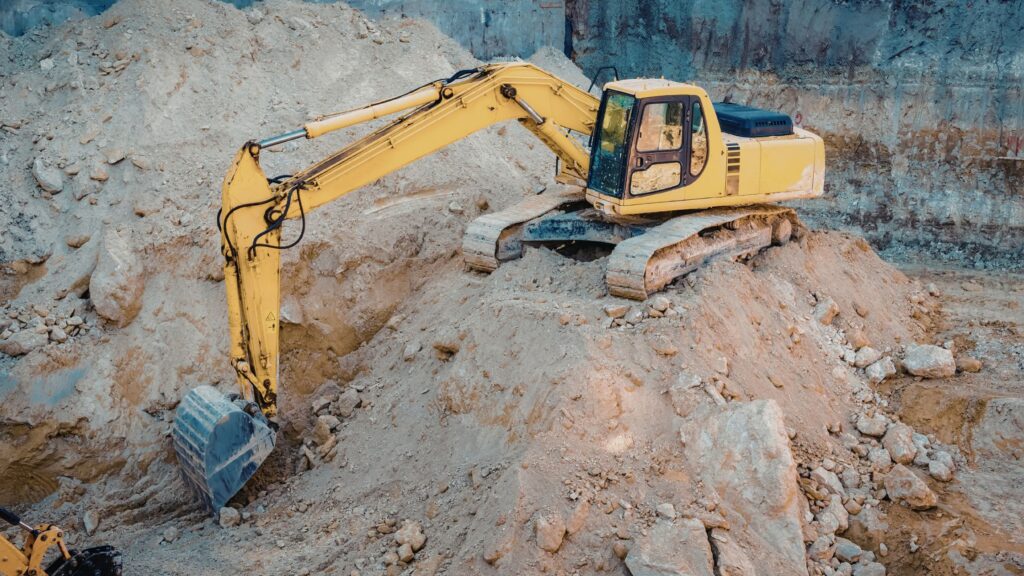
When most people think about excavation, they picture massive machinery digging holes in the ground. However, professional excavation contractors provide far more comprehensive solutions than simple earth removal. Understanding what excavation services truly encompass reveals a sophisticated field that combines engineering precision, environmental awareness, and strategic planning. These professionals serve as the foundation specialists who prepare sites, manage water flow, protect utilities, and create stable building platforms for residential and commercial properties. Whether you’re planning a home addition, commercial development, or infrastructure project in Virginia, knowing the full scope of excavation work helps you appreciate why professional expertise matters.
This article explores six critical functions that excavators perform, demonstrating how their work influences every construction phase and protects your investment long-term.
Understanding excavation services reveals how these professionals balance efficiency with environmental responsibility while meeting strict regulatory standards. Quality excavation prevents settlement issues, water damage, and structural failures that could result in thousands of dollars in future repairs. From foundation digging to pond construction, experienced contractors handle every aspect of earthmoving with precision.
Furthermore, excavators implement erosion control solutions during construction. These systems protect neighboring properties while maintaining site stability during rainy periods. Professional excavators understand watershed dynamics and calculate water volume based on regional rainfall patterns.
For waterfront properties, specialized services like lakeshore restoration and shoreline stabilization prevent coastal erosion. Contractors use riprap, living shorelines, and bank reinforcement techniques that protect properties while maintaining natural integrity. Proper excavation and grading create drainage patterns that handle storm events without overwhelming systems.
Professional excavators coordinate with surveyors, engineers, and inspectors throughout this process. Excavation services at this stage means is orchestrating multiple specialists to prepare sites that meet all technical and legal requirements. Contractors balance environmental sensitivity with construction requirements, maintaining trees that provide shade while removing vegetation that interferes with building plans.
Preparation work also includes pond excavation for water features, irrigation, or stormwater management. Experienced contractors understand how to create functional ponds with proper depth, drainage, and ecosystem integration. Whether clearing residential lots or commercial parcels, professional earthworks contractors deliver comprehensive solutions.
Key Takeaways
- Excavation services extend far beyond basic digging to include site grading, utility protection, and drainage management
- Professional excavators conduct soil analysis and implement erosion control to prevent future structural problems
- Land clearing and preparation services establish safe, stable foundations for all construction types
- Excavation services include demolition, trenching, backfilling, pond excavation, and environmental compliance
- Experienced contractors save time and reduce project risks through comprehensive earthworks solutions
- Proper excavation prevents costly repairs by addressing drainage, compaction, and soil stability from the start
Overview
Excavation services represent the critical first phase of virtually every construction project. Professional excavators do more than operate heavy equipment—they analyze terrain, assess soil conditions, plan water management systems, and create precise grades that determine structural integrity.| Service Type | Purpose | Impact |
| Site Grading & Prep | Establish level surfaces and building pads | Prevents settling and water pooling |
| Utility Trenching | Install underground lines safely | Protects existing infrastructure |
| Drainage Systems | Manage water flow and erosion control | Eliminates foundation damage |
| Soil Compaction | Create stable base layers | Ensures long-term structural integrity |
| Demolition & Cleanup | Remove existing structures | Prepares sites for new construction |
| Land Clearing | Eliminate obstacles and vegetation | Creates construction-ready parcels |
The Foundation of Every Build: Site Preparation and Grading
Site preparation forms the backbone of successful construction projects. Professional excavators begin by surveying the terrain, identifying obstacles, and developing strategic plans for earth movement. This process creates building pads level, compacted surfaces specifically prepared to support structures properly. Key site preparation activities include:- Removing topsoil and unsuitable materials
- Creating level building pads for foundations
- Establishing precise slopes for water drainage
- Achieving specific compaction standards
- Grading land for optimal site functionality
Protecting What Lies Beneath: Utility Location and Trenching
Before breaking ground, excavators must locate existing utilities: water lines, gas pipes, electrical cables, fiber optics, and sewer systems. This critical step prevents dangerous accidents, service disruptions, and expensive repairs that could halt your project. Utility protection process:- Coordinate with utility companies for accurate location data
- Use specialized detection equipment to verify underground infrastructure
- Create precise trenching channels for new utility installations
- Install warning tape and protective barriers around lines
- Properly backfill once utilities are placed securely
Managing Water: Drainage Systems and Erosion Control
Water management stands among the most important aspects of excavation work. Contractors design and install drainage systems that channel rainfall away from structures, preventing foundation damage, basement flooding, and landscape erosion throughout the Virginia Peninsula.| Drainage Solution | Application | Benefit |
| French Drains | Subsurface water removal | Prevents foundation moisture issues |
| Swales | Surface water channeling | Natural water redirection |
| Retention Ponds | Stormwater management | Controls runoff volume effectively |
| Silt Fences | Erosion barriers during construction | Protects waterways from sediment |
| Spillways | Pond overflow management | Ensures proper water flow control |
Building Stable Foundations: Soil Analysis and Compaction
Soil conditions directly impact structural longevity. Excavators conduct field tests to assess bearing capacity, moisture content, and composition before construction begins. This analysis determines whether existing soil supports planned structures or requires modification. Critical soil preparation steps:- Test bearing capacity and moisture levels thoroughly
- Remove unsuitable soil or organic materials
- Apply soil backfilling and compaction in thin layers (lifts)
- Use plate compactors, rollers, and vibratory equipment
- Document results through compliance testing procedures
Demolition and Site Clearing: Preparing for New Beginnings
Many projects require removing existing structures before new construction begins. Excavation contractors handle demolition services that safely dismantle buildings, concrete slabs, and old foundations while following strict safety protocols. Demolition and clearing services include:- Safe structure dismantling and deconstruction
- Concrete and asphalt removal
- Stump grinding below grade level
- Material sorting for recycling purposes
- Hazardous material management and disposal
- Complete debris cleanup and hauling
Land Clearing and Preparation Services: Creating Construction-Ready Sites
Comprehensive land clearing and preparation services transform raw parcels into development-ready properties across Central and Eastern Virginia. This process combines selective clearing that preserves desirable features with complete grading that establishes functional layouts. What professional preparation includes:| Phase | Activities | Outcome |
| Initial Assessment | Survey boundaries, identify site features | Strategic clearing plan development |
| Selective Clearing | Remove obstacles, preserve valuable trees | Balanced site development approach |
| Excavation & Grading | Establish elevations, building pads, drainage | Construction-ready platform creation |
| Access Development | Create entry routes and staging areas | Efficient project flow management |
| Compliance & Permits | Obtain approvals, schedule inspections | Legal project authorization secured |