
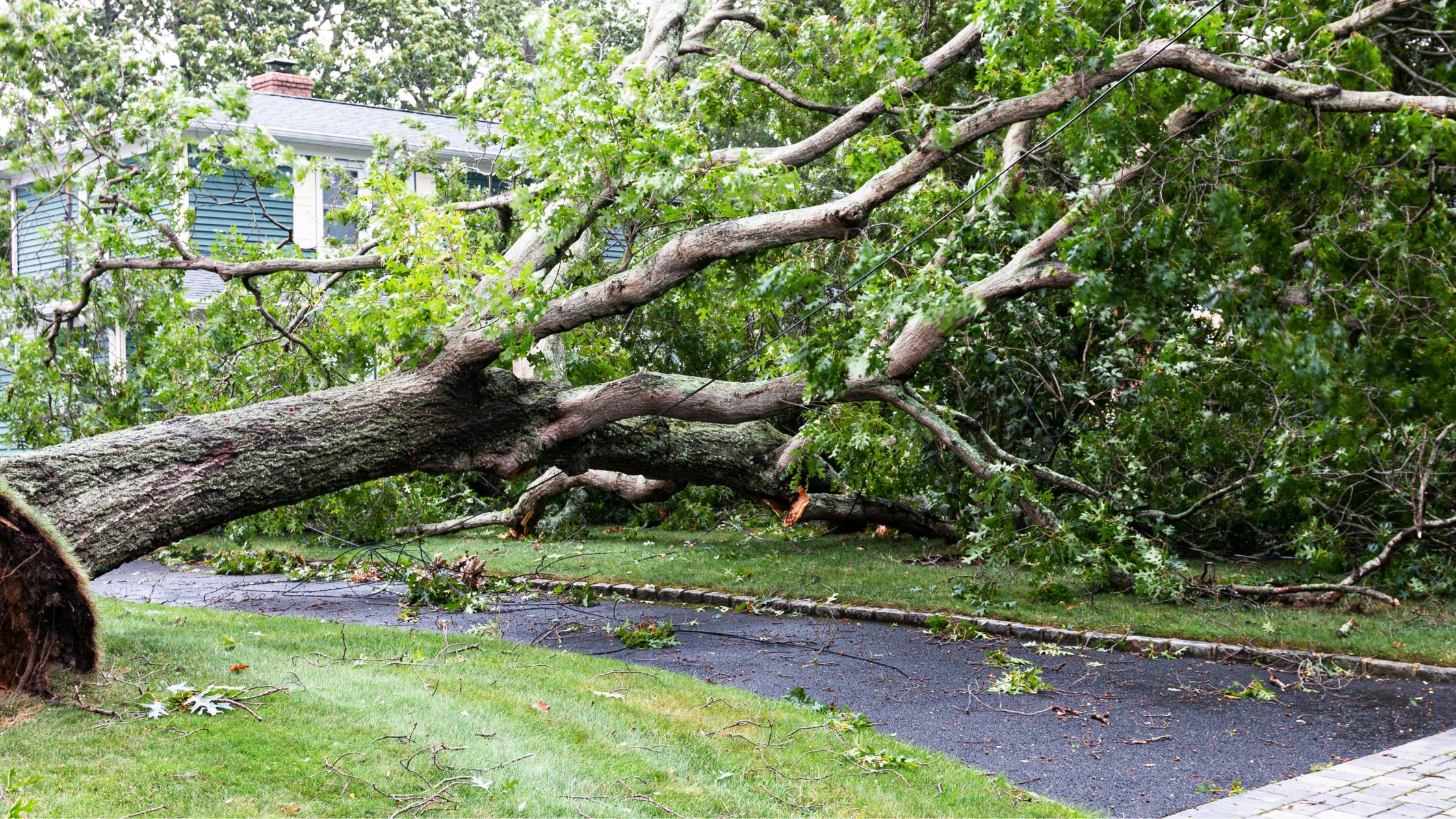
storm damage in virginia

When the storm passes and the damage is done

Gloucester County residents know the drill: a tropical system rolls up the Chesapeake Bay, and by morning there’s a downed oak across the driveway, a washed-out culvert, or a slab of concrete heaved up by standing water. Storm damage in Virginia is not rare, it’s seasonal, and knowing what to do in the first 48 hours often determines whether repairs cost hundreds or thousands of dollars. This article walks through exactly what to do after storm damages driveway Virginia surfaces, yards, or land, and when the job needs a licensed contractor instead of a shovel and a weekend.

Key takeaways

  • Document damage with photos before touching anything, insurance adjusters need a clear “before repair” record.
  • Standing water on clay soil after a storm can hide structural damage to driveways and foundations for days.
  • Downed trees near power lines or septic systems require professional removal, not DIY chainsaw work.
  • Erosion damage near tidal creeks or the York River often needs a permit before repair work starts.
  • ML Blake Earthworks holds a Class A contractor license, which matters for storm repair work that touches grading, drainage, or utilities.
  • Acting within the first week reduces the risk of secondary damage like foundation shifting or driveway base failure.

Overview

Storm damage in Virginia typically falls into three categories: fallen trees and debris, driveway or hardscape damage, and land erosion or drainage failure. Each requires a different first response. Homeowners in Gloucester, Williamsburg, and across the Middle Peninsula deal with this most often between June and November, when tropical storms and heavy rain events hit the region. ML Blake Earthworks handles land clearing, drainage repair, concrete replacement, and erosion control, which covers most storm-related recovery work a property owner will face after a major weather event.

Step 1: document everything before you touch it

Before moving a single branch or patching a crack, walk the property with a phone camera. Insurance companies want time-stamped photos of the damage in its original state, and adjusters move faster when the claim includes clear evidence. Photograph downed trees, cracked concrete, washed-out gravel, and any pooling water. If the driveway has visible heaving, sinking, or new cracks, get close-up shots along with a wide shot showing the full extent. This step costs nothing and protects you later.

Step 2: assess driveway and hardscape damage

Storm damage in Virginia hits concrete and gravel driveways differently. Gravel driveways wash out fast when heavy rain runs downhill across flat coastal plain terrain, since there’s often nowhere for the water to go except across the surface. Concrete driveways crack or heave when the compacted base underneath erodes or when tree roots shift after high winds loosen the surrounding soil. A driveway that looks fine on the surface can still have a compromised base. Water that pooled for more than a day, especially on the clay-heavy soils common around Gloucester and York County, tends to soften the sub-base even when the surface concrete looks intact. Pressing a screwdriver into a soft spot at the driveway’s edge is a quick way to check whether the base has weakened. If the damage is limited to gravel washout, regrading and adding fresh base material solves it. If concrete has cracked, sunk, or separated at the joints, that section typically needs to be removed and repoured rather than patched, since a patch over a failed base will crack again in the next heavy rain.

Step 3: handle fallen trees and land debris safely

Downed trees are the most visible storm damage, and also the most dangerous to handle alone. A tree that’s fallen but still under tension from a leaning power line or a septic line running underneath creates a real hazard for anyone without the right equipment. Professional vs. DIY: A homeowner with a chainsaw can usually clear small limbs and brush. What a chainsaw and a rented trailer can’t safely handle is a mature oak or pine down across a driveway, especially one that’s tangled in a fence line or resting near a structure. Forestry mulching equipment and proper rigging remove the tree and grind the stump and debris in one pass, which also prevents the regrowth problems that come from a stump left behind. Land clearing after a storm event is one of the more common calls ML Blake Earthworks gets between August and October.

Step 4: check for erosion and drainage failure

Flat terrain and heavy clay soil mean water doesn’t drain fast in this part of Virginia, and a hard storm can turn a yard into standing water for days. On waterfront properties along the York River or Piankatank River, storm surge and heavy rain together can strip soil from the shoreline in a single event. Erosion near a tidal creek or shoreline is not a repair you make on your own. The Chesapeake Bay Preservation Act regulates work within Resource Protection Areas, and repairs in these zones usually require a Virginia DEQ permit before any grading, riprap, or shoreline restoration work begins. A licensed contractor familiar with the local permitting process can get the paperwork moving while stabilizing the site to prevent further loss in the meantime. Drainage problems away from the water are more straightforward but still worth professional grading. A yard that holds water for more than 48 hours after a storm usually needs regrading or a drainage line installed, not just time to dry out. Left alone, that standing water softens soil under driveways, patios, and even foundations.

Timing matters more than most homeowners realize

Virginia’s storm season runs June through November, overlapping with the hottest, most humid stretch of the year. That combination means storm damage sits in wet, warm conditions long enough for secondary problems to set in: mold in saturated mulch beds, root rot in stressed trees, and soil compaction issues once equipment starts moving in for repair. Scheduling repairs in the week after a storm, rather than waiting for a slower season, keeps damage from compounding. Ground conditions are also easier to work in Virginia’s drier months, so if the damage isn’t urgent, a fall project can often wait until soil has firmed back up rather than starting repair work on saturated ground.

What proper repair looks like versus a quick fix

A quick fix, like tossing gravel over a washed-out spot or pouring a thin concrete patch, tends to fail again in the next storm because it doesn’t address the base underneath. Proper repair starts by fixing the drainage or grading issue that caused the damage in the first place, then rebuilding the surface. Skipping that step means paying for the same repair twice. This is where hiring a licensed excavation contractor pays off over time. A Class A contractor can pull the right permits, correct the underlying grade, and rebuild a driveway or shoreline so it holds up through the next storm season instead of failing again in a year. Homeowners across Gloucester, Newport News, and James City County dealing with storm damage in Virginia can reach out to ML Blake Earthworks at 5181 Fletcher Rd, Gloucester, VA 23061, or by calling (804) 854-2176, for an assessment of driveway, land, or shoreline damage after a storm. The team handles everything from emergency erosion repair to full driveway rebuilds, and getting a same-week evaluation after storm damage in Virginia is often the difference between a simple regrade and a much larger repair down the line.

Frequently Asked Questions About Storm Damage in Virginia

What should I do first after storm damage in Virginia?

Photograph all damage before cleanup begins, then check for immediate hazards like downed power lines or leaning trees. Once the property is safe, contact your insurance company and a licensed contractor to assess driveway, drainage, or land damage before starting repairs.

Do I need a permit to repair storm erosion near the water in Gloucester?

Yes, in most cases. Properties within the Chesapeake Bay Preservation Act’s Resource Protection Areas need a Virginia DEQ permit before grading, riprap placement, or shoreline restoration work begins, even for storm repair.

How do I know if my driveway needs to be repoured after a storm?

If concrete has cracked, sunk, or shifted at the joints, or if the base underneath feels soft when tested, the section likely needs removal and repouring. Surface patching over a compromised base usually fails again in the next heavy rain.

Is it safe to remove a fallen tree myself after a storm?

Small limbs and brush are usually manageable, but a mature tree tangled near power lines, fences, or structures needs professional equipment and rigging. Storm-stressed trees can shift unpredictably even after they’ve stopped falling.

How long does storm-related drainage repair usually take?

A straightforward regrading project often takes one to two days, while drainage line installation or shoreline stabilization can take a week or more depending on permitting and site conditions. Erosion repair near tidal water typically takes longer due to permit review.

Will homeowner’s insurance cover storm damage to my driveway?

Coverage depends on your policy and the cause of damage, so check with your insurer directly. Photo documentation from before any repair work starts makes the claims process faster and more likely to succeed.

How soon after a storm should I schedule repairs in Virginia?

Within the first one to two weeks is best, especially for standing water or driveway damage. Virginia’s humid climate lets secondary problems like soil softening and root rot set in quickly if repairs are delayed too long.

Conclusion

Storm damage in Virginia is a recurring reality for anyone living along the Middle Peninsula, and how a property owner responds in the first days after a storm shapes how much the repair ultimately costs. Fixing the underlying grade, drainage, or erosion problem, rather than patching the surface, is what keeps the same damage from happening again next season. If a recent storm left your driveway cracked, your yard flooded, or trees down across your land, a professional assessment now can save a much larger repair bill later.