
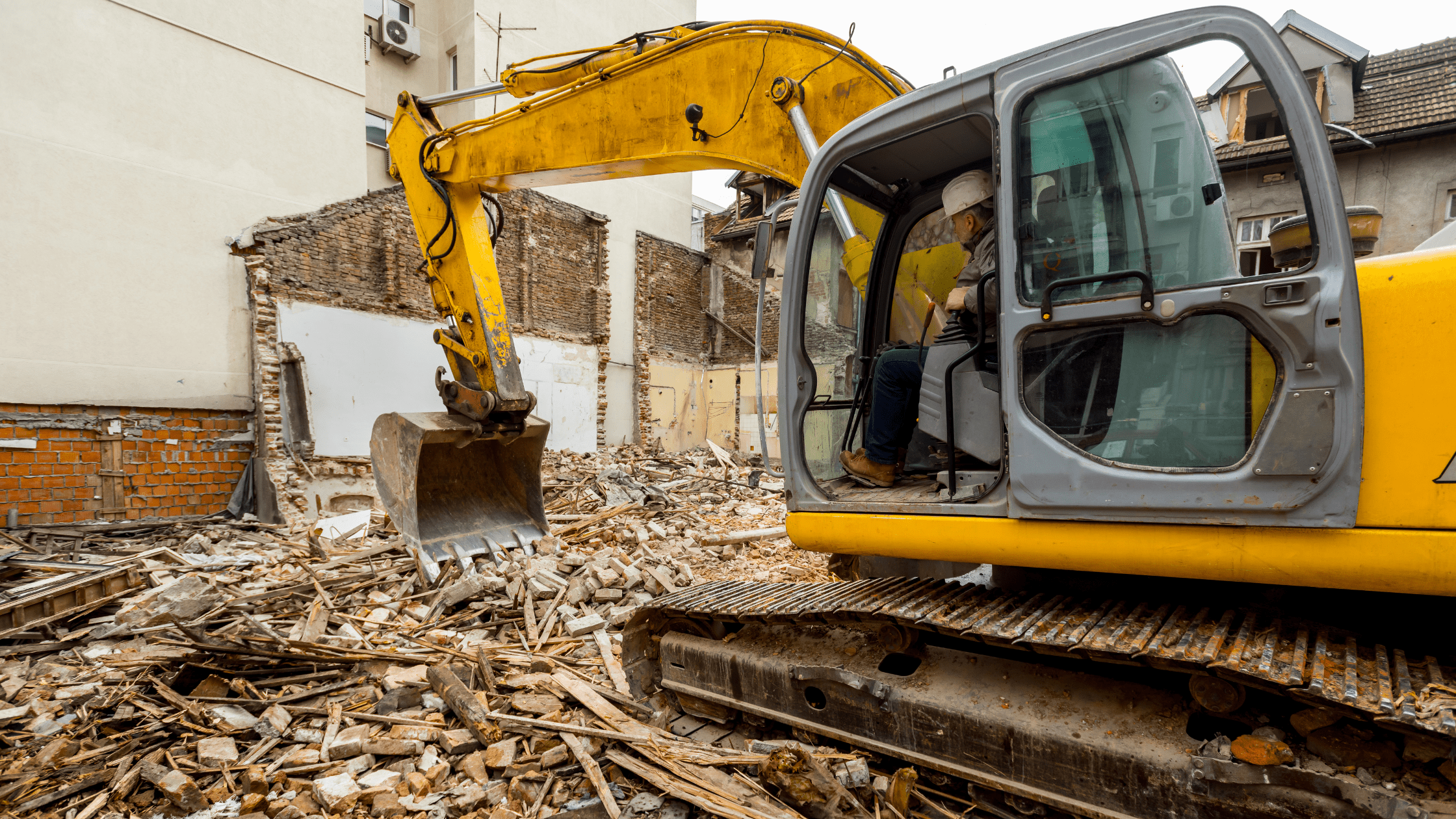
What Virginia homeowners actually pay to tear down a house
Homeowners across the Virginia Peninsula, from New Kent County to Newport News, are asking a straightforward question before they commit to a demolition project: what is this going to cost me? It is a fair question, and the honest answer is that home demolition cost varies more than most people expect, not because contractors are vague, but because no two properties are identical.
This article breaks down the real cost drivers behind residential demolition in Virginia, including regional factors that affect pricing here specifically. Whether you are clearing an old farmhouse on a wooded Gloucester County lot or taking down a condemned structure in James City County, this guide will help you understand what shapes a demolition estimate and what to budget before you call a contractor.
Key takeaways
- Full residential demolition in Virginia typically runs between $8,000 and $25,000 for a standard single-family home, with most projects landing in the $10,000 to $18,000 range
- Home size, foundation type, hazardous materials, and site access are the four biggest cost drivers
- Asbestos and lead paint are common in older Virginia homes and add real cost to the job when present
- Permits, debris disposal fees, and utility disconnects are separate line items that homeowners sometimes overlook
- Hiring a Class A licensed contractor protects you from liability, compliance issues, and costly mistakes on regulated sites
- Partial or selective demolition costs significantly less than a full teardown and is worth considering when only part of the structure needs to go
Overview
Understanding how much home demolition costs starts with recognizing that a demolition estimate is not a flat-rate service. Contractors price based on what they are taking down, how they are taking it down, where the debris is going, and what conditions they find on the site. In Virginia, that last factor matters more than many homeowners realize.
This article covers full demolition vs. selective demolition pricing, the cost factors specific to Virginia properties, what permits and fees to expect, and when the cheapest option is not the right one. ML Blake Earthworks has completed demolition projects across the Peninsula and Middle Peninsula, and the insights here reflect real regional conditions, not textbook estimates.
What does full home demolition actually cost in Virginia?
The average cost to demolish a single-family home in Virginia in 2026 runs between $8,000 and $25,000, depending on the size of the structure, the site conditions, and the scope of work. Most standard projects, a 1,200 to 2,000 square foot home on a manageable lot, land between $10,000 and $18,000 all in.
Per-square-foot pricing is the most common way contractors estimate demolition. In Virginia, expect to pay roughly $5 to $12 per square foot for a full teardown, including hauling and basic site grading. A 1,500 square foot structure at $7 per square foot comes to $10,500 before permits and disposal fees. At $10 per square foot, that same house costs $15,000.
Larger homes, multi-story structures, and properties with concrete slabs or full basements push costs toward the higher end of the range. A 3,000 square foot home with a poured concrete foundation can easily reach $20,000 or more once you factor in foundation removal, haul-off, and fill.
The four biggest factors that drive demolition cost
1. Home size and structure type
Square footage is the starting point of every estimate. But structure type matters just as much. A wood-frame ranch house on a crawl space demolishes faster and costs less per square foot than a two-story brick home on a full basement. Brick, block, and poured concrete all add labor and equipment time, which adds cost.
Homes with attached garages, outbuildings, or decking that needs to come down in the same project will be priced accordingly. Contractors do not typically separate those line items unless you ask, so it is worth confirming what the quote includes.
2. Hazardous materials: asbestos and lead paint
This is where Virginia homeowners, especially those dealing with pre-1980 structures, often get surprised. Asbestos abatement before demolition is not optional in Virginia; it is required by law and must be completed by a licensed abatement contractor before a demolition crew sets foot on the property.
Asbestos testing typically costs $300 to $600. If asbestos is found, removal runs $1,500 to $3,000 for a typical single-family home, but can climb significantly higher in older homes with extensive insulation, tile, or duct wrap. Lead paint abatement follows a similar pattern.
Skipping this step is not just a regulatory violation; it exposes you to significant liability if workers or neighboring properties are affected. A reputable demolition contractor will flag this early in the process.
3. Foundation and debris disposal
Removing the foundation is a separate cost from taking down the structure above grade. Contractors can leave a crawl space foundation in place (filled and graded), remove it entirely, or partially remove it depending on what you plan to do with the land afterward.
Full foundation removal, including a poured concrete slab or block foundation, adds $3,000 to $8,000 to most projects. Debris disposal is another line item worth confirming upfront. Landfill fees in Virginia vary by county, and disposal costs for a full teardown can run $2,000 to $4,000 depending on what is hauled and where.
4. Site access and lot conditions
Tight lots in established neighborhoods, properties with mature trees near the structure, or sites with limited equipment access all take more time and cost more to demo. This is especially relevant in Gloucester County and the surrounding Middle Peninsula, where older rural properties often have overgrown vegetation, outbuildings in varying states of repair, and gravel lanes that limit equipment maneuverability.
Contractors factor in how far debris needs to be moved to reach a truck or roll-off container. If equipment cannot get close to the structure, hand-clearing and manual labor increase the time on site, and that time shows up in the quote.
Selective and partial demolition: when you do not need a full teardown
Not every demolition project means leveling the whole structure. Selective demolition covers everything from removing a single room addition to gutting the interior of a home that will be renovated. Partial demolition is often the right call when the primary structure is sound but one component needs to go.
Pool demolition is a good example. Removing an inground concrete pool in Virginia typically runs $5,000 to $10,000 depending on pool size, access, and whether the void is filled. That is a fraction of a full teardown cost, and it resolves drainage and liability issues that come with abandoned pools on properties being sold or redeveloped.
Interior gut-outs, where the framing stays but everything inside is removed, are priced by the scope of work rather than per square foot. These projects are common ahead of full renovations and tend to run $3,000 to $8,000 for a standard home depending on what is removed.
Permit costs and what they cover in Virginia
Virginia requires a demolition permit for any full teardown, and most localities require one for significant partial demolition as well. Permit costs vary by jurisdiction but generally run $150 to $500 for residential projects in the Peninsula and Middle Peninsula region.
Before a permit is issued, Virginia typically requires proof of utility disconnection, including electrical, gas, water, and sewer. Utility disconnect coordination takes time, sometimes several weeks if it involves the utility provider scheduling work, so factoring this into your project timeline matters.
Some counties in the region also require a site inspection after demolition is complete, particularly if the property is near wetlands or a regulated waterway. In those cases, documentation that the site was cleared and graded in compliance with Virginia DEQ standards may be part of closing out the permit.
Why Virginia’s soil and terrain affect demolition planning
Here is something that rarely appears in generic demolition guides: Virginia’s clay-heavy soils directly affect how demolition debris is managed and how sites are graded after a teardown. The heavy clay common to Gloucester County, New Kent, and much of the Coastal Plain holds water, compacts poorly after disturbance, and can create drainage problems if post-demo grading is not done correctly.
A site that looks level after a demolition can develop pooling and erosion within one or two wet seasons if the grade is not properly established. Virginia’s humid subtropical climate, with heavy rainfall from June through November and occasional tropical storm events, accelerates this problem. Contractors who work regularly in this region know to address post-demo drainage as part of the project, not as an afterthought.
This is one reason hiring a contractor with sitework and grading experience alongside demolition experience matters here. A crew that only tears down structures may not be thinking about what happens to the site after they leave.
Professional demolition vs. doing it yourself
Some homeowners look at a dilapidated structure and assume it is simple enough to handle independently. In Virginia, this is almost always the wrong call, and not just because of the physical risk.
Unpermitted demolition creates title and insurance issues that surface during resale. Improper asbestos handling violates federal and state law and carries significant personal liability. And without the right equipment, demolition debris disposal becomes a serious logistical problem. Roll-off containers cost money to rent, and most landfills require pre-sorted loads.
Beyond the regulatory issues, residential demolition involves working near buried utilities, unstable structures, and materials that behave unpredictably during teardown. Professional crews carry the insurance, licensing, and equipment to handle these conditions safely. A Class A Contractor license, which ML Blake Earthworks holds, means the contractor has met Virginia’s highest standards for scope, insurance, and financial responsibility.
Timing your demolition project in Virginia
Spring and early summer, roughly March through June, is the most popular window for demolition in Virginia, and for good reason. Ground conditions are firm after winter, summer heat has not set in yet, and contractors can often line up follow-on sitework or construction within the same season.
Late summer and fall projects are workable but come with weather variables. Tropical storm activity from late August through October can delay site access and slow debris hauling. Winter demolition is possible in Virginia’s mild climate but heavy rain and saturated ground can create access challenges on rural properties.
If your project includes post-demo construction, coordinating with your contractor on a realistic start date matters. Demolition alone takes one to three days for most residential structures; the site preparation work that follows, including grading, fill, and drainage, takes longer and is more weather-dependent.
What the full project scope might look like
For homeowners planning to build on the same site after demolition, the cost picture is bigger than just the teardown. A typical full-scope project might include:
- Demolition and foundation removal: $10,000 to $20,000
- Asbestos testing and abatement (if needed): $1,800 to $5,000
- Permit fees and utility disconnects: $500 to $1,500
- Post-demo grading and fill: $3,000 to $7,000
- Debris hauling and disposal: $2,000 to $4,000
That puts a realistic all-in budget for a full teardown and site preparation at $17,000 to $37,000 for most Virginia properties, with the wide range reflecting home size, site conditions, and whether hazardous materials are present. Getting a firm quote from a contractor who can handle demolition and sitework together generally produces better pricing than hiring separate crews for each phase.
Ready to get a real estimate for your project?
If you are working through the numbers on a demolition project in the Peninsula or Middle Peninsula region, the team at ML Blake Earthworks can walk you through a site-specific estimate based on what you actually have. ML Blake Earthworks is located at Gloucester, VA 23061, and serves property owners across the region with licensed residential and commercial demolition services. Call (804) 854-2176 to discuss your project and get a clear picture of what home demolition costs look like for your specific property before you commit to anything.
Frequently asked questions about how much home demolition costs
Q: How much does home demolition cost for a typical single-family house in Virginia?
A: Most single-family homes in Virginia cost between $10,000 and $18,000 to fully demolish, including haul-off and basic site grading. Larger homes, brick structures, or properties with full basements or hazardous materials can push costs to $20,000 to $25,000 or more.
Q: Is asbestos testing required before demolition in Virginia?
A: Yes. Virginia law requires asbestos inspection and abatement before demolition on any structure that may contain regulated materials. Pre-1980 homes are at the highest risk. Testing typically costs $300 to $600, and abatement adds $1,500 to $3,000 or more depending on what is found.
Q: How much does home demolition cost per square foot in 2026?
A: Expect to pay roughly $5 to $12 per square foot for residential demolition in Virginia in 2026. The final figure depends on structure type, foundation, site access, and what is included in the scope, so per-square-foot estimates work best as a starting range, not a final budget.
Q: Do I need a permit to demolish a house in Gloucester County or James City County?
A: Yes. Both localities require demolition permits for full teardowns, and most require utility disconnects before work begins. Permit fees generally run $150 to $500 for residential projects. Your contractor should handle permit coordination as part of the project.
Q: How long does residential demolition take in Virginia?
A: Most single-family homes take one to three days to demolish. Larger or more complex structures may take longer. Post-demo site work, including grading, fill, and drainage, adds additional time depending on the scope and conditions.
Q: Can I partially demolish my home instead of a full teardown?
A: Yes. Selective or partial demolition is a legitimate option for removing a room addition, garage, pool, or interior contents ahead of renovation. Costs vary significantly by scope but are considerably lower than full teardowns.
Q: Does demolition cost include foundation removal?
A: Not always. Foundation removal is often quoted as a separate line item. Confirm with your contractor whether the quote covers above-grade structure only or includes removing the foundation, filling the void, and grading the site.
Q: How does Virginia’s climate affect demolition timing?
A: Virginia’s wet season, roughly June through November, can delay work due to heavy rainfall, tropical storms, and saturated ground on rural properties. Spring, from March through May, is generally the best window for demolition and follow-on site preparation work.
Conclusion
Home demolition is not a job where guessing at the budget serves you well. The real cost depends on your specific structure, your site, and your plan for the land afterward. In Virginia, regional factors like clay soils, humid conditions, and regulatory requirements around asbestos and wetland-adjacent properties add layers that generic cost calculators simply cannot account for.
The right contractor will assess your site, give you a clear scope, and manage the process from permits to final grading so nothing falls through the cracks. If you are planning a demolition project on the Peninsula or Middle Peninsula, start with a real conversation about your property rather than a number from a national average.