
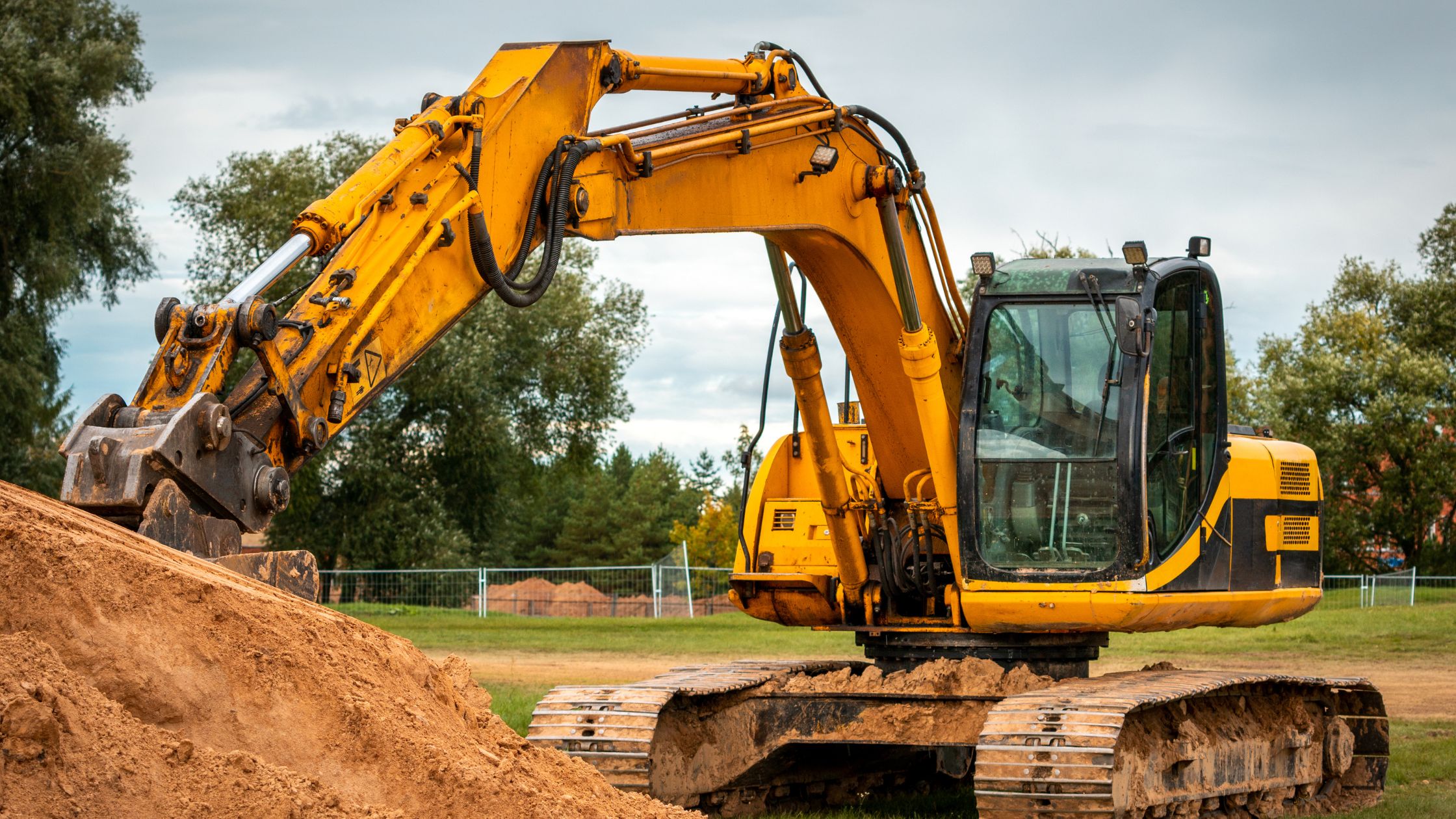
how much does excavation cost

A Peninsula homeowner’s first question is almost always about price

A homeowner in Gloucester County recently called about grading a half-acre lot near a tidal creek for a new detached garage, and her first question wasn’t about timeline or equipment. It was simple: what’s this going to cost? That question is harder to answer honestly than most contractors let on, because excavation pricing in Virginia depends on soil, drainage, access, and permitting in ways that vary block to block along the Peninsula and Middle Peninsula. This guide breaks down real cost ranges by project type so you can budget with actual numbers instead of guesswork.

Key takeaways

  • Excavation in Virginia typically runs $3 to $12 per cubic yard, depending on soil type, depth, and site access.
  • Small residential jobs (foundations, drainage trenches) often fall between $1,500 and $8,000; larger sitework projects can reach $15,000 or more.
  • Heavy clay soils are common around Gloucester, Mathews, and the Middle Peninsula, increasing equipment time and cost compared to sandy loam.
  • Wet-season excavation (June through November) can add cost due to dewatering, erosion control, and schedule delays.
  • Permits and wetland setbacks near tidal creeks or Resource Protection Areas can add both time and expense if not planned for early.
  • Hiring a Class A licensed contractor protects you from the far higher cost of correcting a failed grade, a collapsed trench, or a drainage problem after the fact.

Overview

Excavation cost in Virginia depends on four main factors: soil type, project size, site access, and local permitting requirements. Small jobs like utility trenches or footing excavation often cost $1,500 to $8,000, while full-site grading or pond and pad excavation can run $10,000 to $30,000 or more. Heavy clay soils, tidal wetland proximity, and wet-season timing all push costs higher across the Peninsula and Middle Peninsula. ML Blake Earthworks provides sitework services across this region and can give you a site-specific estimate before you commit to a design or budget.

What excavation actually covers

Excavation isn’t one task. It covers everything from digging a foundation footprint to grading an entire lot for drainage, and pricing shifts depending on which of these you need. Most residential and light commercial excavation in this region falls into one of these categories:
  • Foundation and footing excavation for new construction or additions
  • Grading and drainage work to correct standing water or slope issues
  • Utility trenching for water, sewer, or electrical lines
  • Pad excavation for garages, shops, or concrete slabs
  • Pond and retention basin excavation
Each of these draws on different equipment and time, which is why a single “excavation cost” number rarely tells the full story.

Average excavation costs by project type in Virginia

Foundation and footing excavation

Foundation excavation for a typical single-family home in the Peninsula region runs $3,000 to $10,000, depending on square footage and soil depth. Gloucester and Mathews lots with heavy clay often sit at the higher end because clay requires more machine time to break and remove cleanly.

Grading and drainage correction

Regrading a lot to fix standing water or slope problems typically costs $1,800 to $6,000 for a standard residential lot. This is one of the most common calls we get in flat coastal-plain neighborhoods, where a few inches of poor grading can send water toward a foundation instead of away from it.

Utility trenching

Trenching for water, sewer, or electrical runs $8 to $20 per linear foot in most cases, with pricing rising if the trench crosses rock, tree roots, or existing hardscape.

Pad and slab excavation

Excavating a pad for a garage, shop, or concrete pour generally costs $2,000 to $7,000, depending on size and whether the site needs additional concrete services afterward for the finished slab.

Pond and larger sitework projects

Pond excavation and full-lot sitework are the largest jobs on this list, often running $10,000 to $30,000 or higher, based on pond size, depth, and whether a permit-triggering wetland buffer is involved. If you’re weighing this against other big-ticket land projects, our land clearing cost per acre guide covers a related cost comparison many property owners ask about at the same time.

What actually drives excavation cost in this region

Soil type and depth

Clay-heavy soil, common across Gloucester and much of the Middle Peninsula, holds water and compacts differently from the sandy loam found closer to the James City County line. Clay slows down machine work and can require extra passes to reach proper compaction, which adds labor hours even on a small job.

Site access

A lot with a narrow driveway or mature trees close to the work area takes longer to excavate than an open field, because equipment has to maneuver more carefully. Waterfront lots along the York and Piankatank Rivers frequently fall into this category.

Depth and volume

Cost scales with how much material actually moves. A shallow drainage swale costs far less than a full basement excavation, since volume, not surface area, drives cubic yard pricing.

Permits and environmental review

Anything near a tidal creek, wetland, or Chesapeake Bay Preservation Act Resource Protection Area may need Virginia DEQ review or a local wetlands board sign-off before work begins. Skipping this step doesn’t save money. It creates stop-work risk and potential fines that cost far more than the permit itself.

What goes beyond the standard pricing conversation

Here’s something most general pricing guides miss: in this part of Virginia, seasonal groundwater is as big a cost driver as soil type. Because the coastal plain sits so close to sea level, the water table around Gloucester and Mathews rises noticeably during wet months, and excavation that looked straightforward on paper can hit standing water at 3 to 4 feet down. That means a job priced as a simple footing dig can require dewatering equipment and extra time that a contractor unfamiliar with local water tables wouldn’t anticipate. Getting an accurate quote here depends on someone who has actually dug in this specific ground, not just general excavation experience.

Professional excavation vs. DIY

Renting equipment and doing excavation yourself might look cheaper on paper, but the real cost shows up later. Improper grading can direct water straight into a foundation. A trench dug too close to a property line or utility line can trigger a costly repair or a legal dispute. And in flood-prone or wetland-adjacent areas, unpermitted excavation can result in fines from Virginia DEQ or a stop-work order that delays your entire project. A licensed Class A contractor carries the insurance, equipment knowledge, and permitting experience to get the job done the first time correctly. If you want the full picture of what that license actually requires, our Class A contractor license guide walks through the state requirements in detail.

Risks of skipping professional excavation

Improper excavation depth or compaction is one of the most common causes of foundation settling and cracked slabs in this region. Once a structure is built on a poorly excavated pad, fixing the problem means underpinning or partial demolition, which costs far more than doing the excavation correctly from the start. If you’re already facing a structural problem tied to bad grading, our home demolition cost guide covers what that kind of correction can run.

Timing excavation around Virginia’s climate

Late spring through hurricane season (June through November) brings heavier rainfall and higher humidity across the Peninsula, which can turn a clay-heavy site into standing mud within a day of a storm. Winter and early spring generally offer firmer ground and more predictable scheduling, though a hard freeze can briefly delay digging in exposed clay soils. Planning excavation for late fall through early spring, when possible, usually keeps both cost and schedule risk lower. If your project also involves clearing trees or brush before excavation begins, our land clearing team can sequence that work so grading starts on schedule instead of waiting on a separate crew. ML Blake Earthworks, located at Gloucester, VA 23061, has spent years excavating the specific clay and tidal conditions that make this region different from a standard statewide estimate, and if you’re trying to pin down how much does excavation cost for your property, calling (804) 854-2176 or visiting mlbearthworks.com for a site walk-through will get you a number based on your actual ground instead of a generic average.

Frequently Asked Questions About How Much Does Excavation Cost

Q: How much does excavation cost per cubic yard in Virginia? A: Excavation typically costs $3 to $12 per cubic yard in this region. Clay-heavy sites near Gloucester and Mathews often land at the higher end because clay requires more machine time and effort to remove and compact properly than sandy loam soil. Q: Does excavation cost more near tidal creeks or wetlands? A: Yes. Projects near tidal creeks or Resource Protection Areas often need DEQ or local wetlands board review before work starts, which adds time and sometimes permitting fees. Planning for this early avoids delays once equipment is already on site. Q: How much does it cost to excavate a foundation for a house in Gloucester? A: Foundation excavation for a typical single-family home runs $3,000 to $10,000 in this area. The final number depends on square footage, soil depth, and how much clay the site contains. Q: Is excavation more expensive during summer in Virginia? A: It can be. Summer and early fall bring heavy rainfall and higher water tables across the coastal plain, which sometimes requires dewatering equipment. Late fall through early spring generally offers firmer, more predictable ground conditions. Q: Can I excavate my own lot instead of hiring a contractor? A: You can, but improper grading or trenching often leads to drainage problems, foundation issues, or permit violations that cost more to fix than the original excavation would have cost. A licensed contractor also carries the insurance and permitting knowledge to avoid those risks. Q: What’s the difference between excavation and land clearing pricing? A: Land clearing removes trees, brush, and stumps to prepare a site, while excavation moves soil to grade, dig, or shape the land itself. Many projects need both, and pricing them separately gives a clearer view of the total site cost. Q: Do I need a permit for excavation on my property in Virginia? A: It depends on location and scope. Work near wetlands, tidal shorelines, or Resource Protection Areas usually requires Virginia DEQ or local review, while smaller inland projects may not. A contractor familiar with local requirements can confirm what applies to your site.

Conclusion

Excavation cost in Virginia comes down to soil, site conditions, and how well the project is planned before equipment ever shows up. Clay soils, tidal water tables, and wetland setbacks around Gloucester and the Middle Peninsula make this region more complicated to price accurately than a national average ever could. Getting a site-specific estimate from a contractor who understands this exact ground is the surest way to protect your budget and your timeline, so reach out before you finalize your project plans.